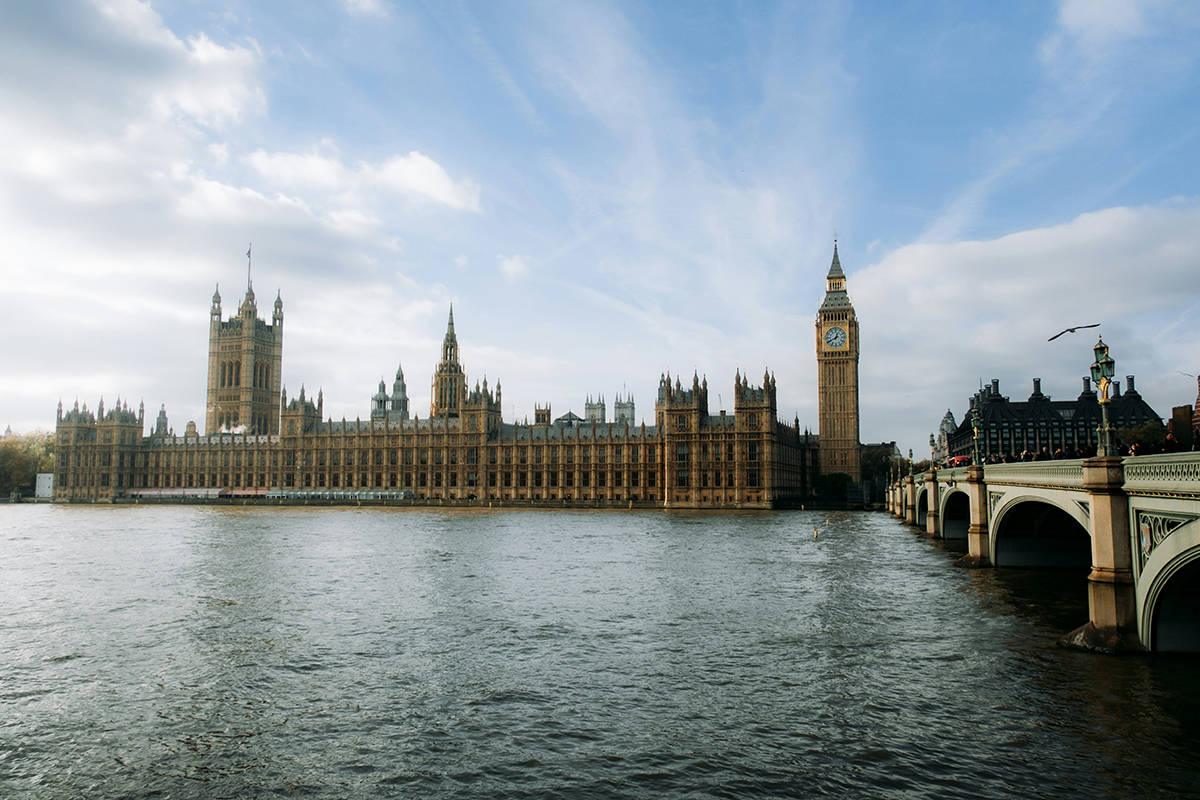
On Tuesday 3rd March 2026, Chancellor Rachel Reeves spoke in Parliament to give the Spring Statement. This is an update on the UK’s economy, issued by the Office for Budget Responsibility (OBR) and read in Parliament.
Prior to the Spring Statement, it was widely believed that there would be no significant policy announcements made. This is because previously the Chancellor has committed to just one major fiscal event per financial year. For the current year, this was the Autumn Budget in November 2025. The Chancellor confirmed this was still the case, with no changes to taxes or day-to-day public spending announced.

The government’s fiscal rules
Chancellor Reeves created a set of fiscal rules, that she laid out in October 2024, in her first Budget. These are in place to constrain fiscal policy decisions about spending and taxes. The OBR measures if the government is on-track to meet these rules, in their forecast.
The Treasury says “the government’s non-negotiable fiscal rules help to keep interest rates low while also prioritising investment to support long-term growth”. The meeting of these fiscal rules determines how much “headroom” the government has for its policymaking.
There are currently two fiscal rules:
1. The current Budget should be on course to be in balance or surplus by 2029/30
This rule concerns economic stability, with the government’s day-to-day spending not requiring further borrowing. Spending should instead be met by tax receipts.
2. Net financial debt should fall as a share of the economy by the end of the 2029/30 forecast period
This rule surrounds the use of investment to drive growth in the economy. The announcement at the November Budget about changes to ISA allowances will help this rule be met. From April 2027, there will be a reduction in the amount that may be saved in cash ISAs each year for under 65s. The overall ISA allowance will remain the same, thus boosting investments into Stocks and Shares ISAs. This will result in a boost in overall investments.
Spring Statement 2026 announcements
As per the pre-Statement speculation, there were no significant policy announcements made during the Spring Statement. Acknowledgement was made very early in the speech of the “uncertainty” in the world, caused by current global affairs. Economic impact from this evolving situation could yet render the forecast out-of-date.
Reeves spoke of her pride at delivering the biggest uplift in defence spending since the Cold War. She also referenced the upcoming scrapping of the two-child limit for those in receipt of Universal Credit and Tax Credits. She asserted that it will bring with it the biggest reduction in child poverty on record.
The Chancellor also spoke about youth unemployment rates. She first acknowledged that the overall unemployment rate would likely go up by the end of the year, before beginning to fall. She then spoke of the number of young people not in education, training or employment increasing by 113,000 over the last five years. The previously announced youth guarantee, aims to support nearly one million 18-21 year olds. Alongside apprenticeship reforms, this will ensure, asserts Reeves, that the government “will not leave a generation of young people behind”.

Reeves announced that in two weeks she will set out “three major choices that will determine the course of our economy into the future”. These will include the strengthening of relationships across the world, the breaking down of barriers to trade and harnessing the power of AI.
In positive news for the government, Reeves announced that her fiscal headroom has increased since the November Budget. Previously at £21.7bn, the headroom is now £23.6bn, providing a financial buffer from unexpected economic events.
Growth target
The government has set the Bank of England a target inflation rate of 2%. Falling significantly from its peak of 11% in 2022, the current inflation rate is 3%. Last year, the Chancellor predicted inflation would meet its 2% target by 2027. This was reiterated by the OBR’s new forecast that inflation will fall to 2.6% in 2026, and 2% from 2027.
Prior to the Statement, the OBR forecast growth of 1.4% in 2026. During the Spring Statement it was announced that this growth forecast has been revised down to 1.1% in 2026, in line with independent forecasts. However, this growth is forecast to accelerate to 1.6% in both 2027 and 2028, and 1.5% in 2029 and 2030.

It should be noted that the impact of recent world affairs is yet to be felt in its entirety. Changes in growth forecast, inflation rate expectations and base interest rates may then follow. We will endeavour to continue to inform you of any pertinent changes that may impact you over the coming weeks and months, on our blog.
For further information about the previously announced policy changes coming into effect from April 2026, read our recent blog post.
We hope this has helped you understand the announcements in the Spring Statement. If you have any further questions, please don’t hesitate to contact us. Call us on 0116 222 0119 or email hi@willdaywm.co.uk.