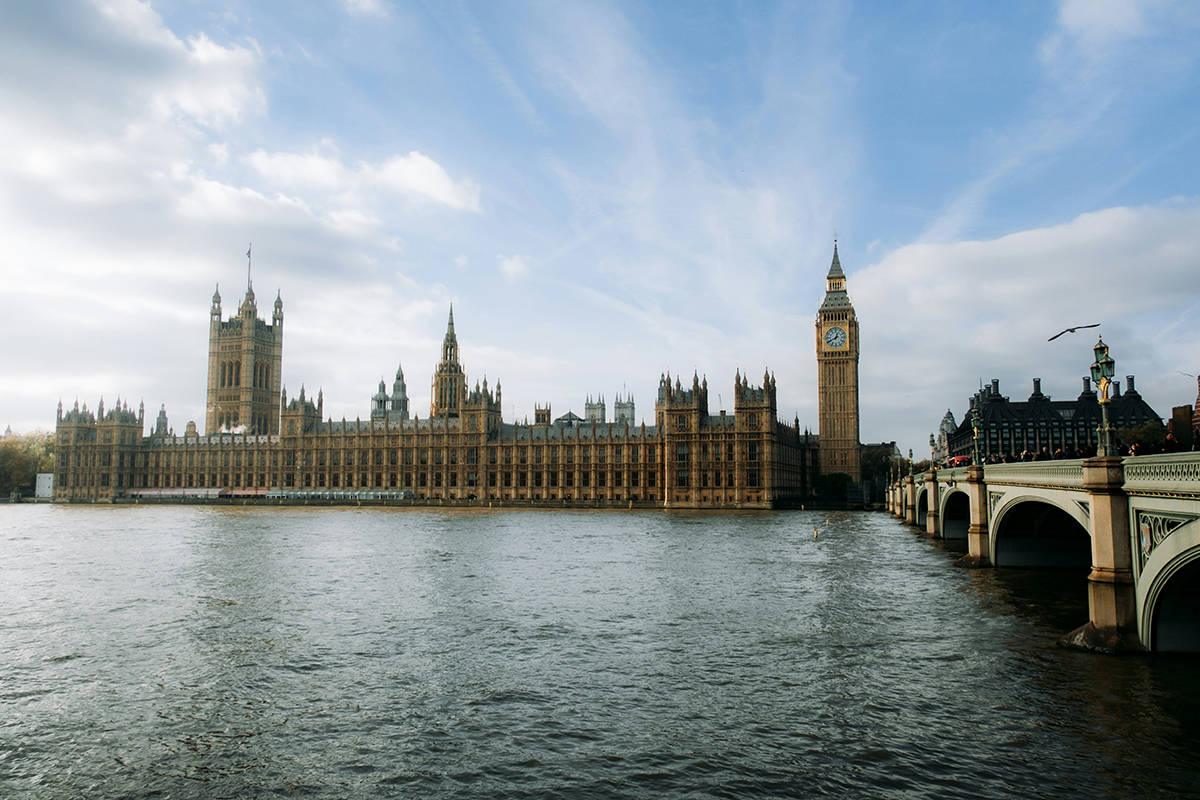
It seems like no time has passed since the Chancellor of the Exchequer, Rachel Reeves, announced the Autumn Budget in November. Even still, the Spring Statement is just around the corner, on 3rd March 2026. Prior to the Statement, the Office for Budget Responsibility (OBR) will publish their economic forecast for the UK economy. The government then makes its Statement, commenting on this forecast, in Parliament. Reeves has committed on multiple occasions to one major financial event each year. As the Budget in November was a major event, it’s not expected that the upcoming Statement will contain significant announcements.
In this article, we’ll discuss what has happened in the economy since the Autumn Budget in November. We’ll also look at previously announced changes coming into effect in April, and what analysts expect to be announced in the Spring Statement.

What has happened in the economy since the Autumn Budget?
The most recent figures have the UK’s inflation rate at 3% in the year to January 2026. Inflation is a measure of how much it costs to purchase items now as compared to a year ago. The rate of inflation shows how much more items cost now, on average, than a year ago. It’s calculated each month by the Office of National Statistics based on the Consumer Price Index. The Bank of England is set a target inflation rate of 2% by the government. The current inflation rate has therefore not met this target. However, it is moving in the right direction – in December 2025, the rate was 3.4%.
The Bank of England sets the base interest rate. An interest rate is the amount it costs to borrow money, or the return you’ll receive on saving money. The Bank of England sets a base rate that will impact everyday life for many. The interest rate paid on mortgages is impacted by the Bank Rate, and conversely, the return you’ll see on pension fund investment will also be impacted.
The base interest rate is used by the Bank of England to control inflation. When inflation is high, the Bank of England seeks to reduce it by raising the Bank Rate. This encourages people to save more, as they’ll receive a higher return. If less money is being spent, prices will fall in order to encourage spending. This, in turn, means that inflation will lower. The base interest rate is currently 3.75%, which is the lowest level since February 2023.
The unemployment rate in the UK has recently climbed to 5.2%, according to recently released ONS Labour Market data. This is the highest rate in five years. This figure can impact government policy.
Previously announced changes coming into effect in April
Some of these were announced in November’s Autumn Statement. You can read more about these announcements, including those taking effect in future years, in our blog post from November. We’ve detailed some of the changes coming into effect this April, below.
State Pension rise
The State Pension will rise by 4.8%, due to the Pension Triple Lock. This was due to the average earning growth between May and July 2025 being 4.8%. Those receiving the new State Pension will rise from £230.25 per week to £241.30 per week. This represents an increase of over £570 per year.
Agricultural Property IHT relief
Following significant campaigning by the agricultural community, the government have raised the thresholds for Inheritance Tax relief. From April 2026, the threshold for 100% relief for agricultural and business properties will increase from £1m to £2.5m. For couples, this can mean a combined threshold of £5m for tax relief. For assets over this threshold, 50% tax relief will apply. This effectively brings the Inheritance Tax rate above the threshold from 40% down to 20%.

Hospitality sector support package
A support package has recently been announced for some businesses in the hospitality sector. Pubs and music venues will receive a 15% discount on business rates, with no increase guaranteed for two years.
Dividends tax
Dividends tax is also changing. Currently shareholders can receive dividends of £500 per year, tax free. After this threshold, the dividends are subject to tax at 8.75% for basic-rate taxpayers and 33.75% for higher-rate taxpayers. From April, the tax rates will rise by 2%, to 10.75% for basic-rate taxpayers and 35.75% for higher-rate taxpayers.
Tax on rental income
If you are a landlord, your rental income will be subject to a slight increase in tax, of 2%. Basic-rate taxpayers will pay 22% tax on rental income. Higher-rate taxpayers will pay 42% tax on rental income, with additional-rate taxpayers paying 47% on rental income.

Further upcoming changes
The National Living Wage will increase by 4.1% from April, to £12.71 per hour. Those in receipt of Universal Credit and Tax Credits will see the two-child cap scrapped from April, too.
What is expected from the Spring Statement
During the Spring Statement, the government will speak on the current economic outlook, and the OBR’s forecast. They will detail their borrowing position and whether their spending commitments are still affordable. This announcement often gives an indication of future areas of policy focus and direction for the government.
As previously mentioned, analysts do not expect any major financial announcements in the Spring Statement. There has not been a great deal of speculation about the contents of the Spring Statement. This is converse to the speculation in the run-up to the Autumn Budget, which culminated in the early release of its report by the OBR. However, one area that could be announced is the expansion to the recently announced support package for hospitality businesses. The current package relates to pubs and music venues only. There are calls for this to be extended to hotels and restaurants as well as other businesses in the sector.
Some speculation is circling that it may be left to a junior minister to announce the Spring Statement. This would be in lieu of the Chancellor herself making the announcement. It would be a signal that the announcements made are of low significance, in a bid to keep the markets stable.
When will we know what’s been announced?
The Spring Statement is due to be announced on Tuesday 3rd March 2026. It is usually read in Parliament at around midday. Keep an eye on our blog for a breakdown of the announcements, and what they mean for you!