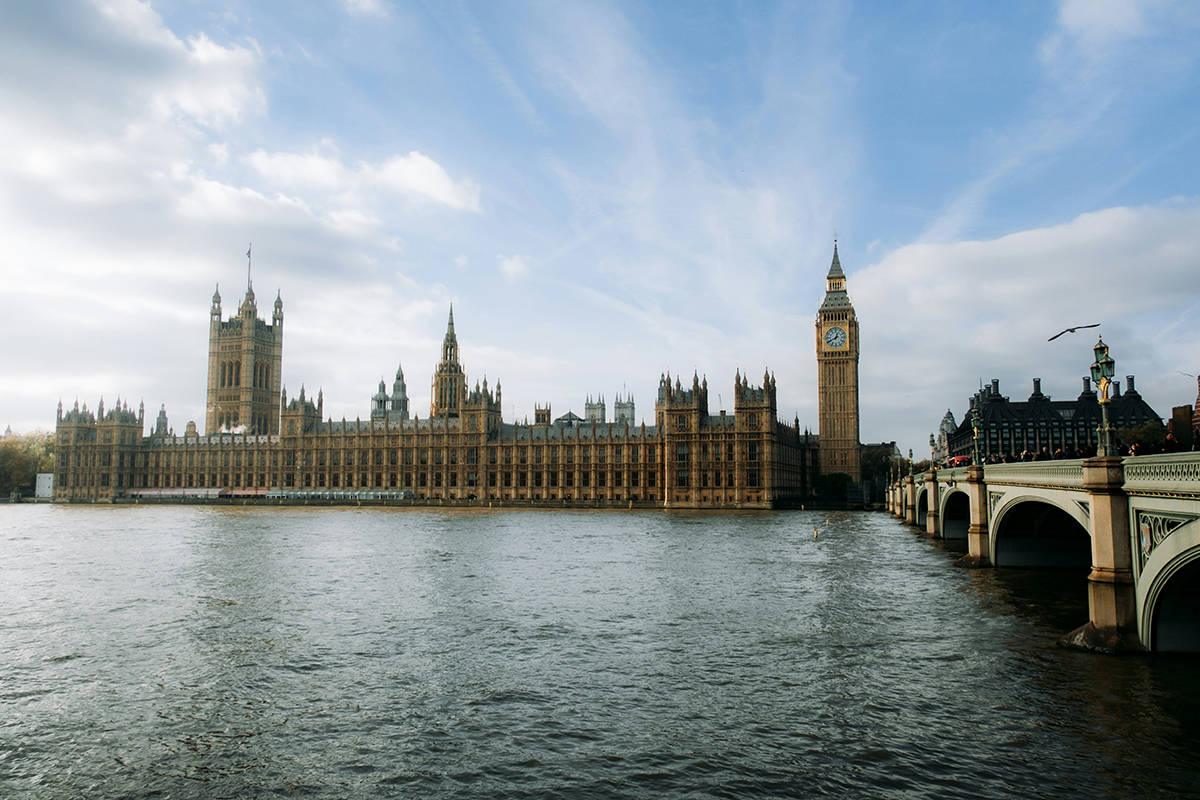
Following months of speculation, and an error by the OBR releasing its report early, the Autumn Budget 2025 has been announced in Parliament by the Chancellor, Rachel Reeves. Reeves’ pre-Budget speech set out the landscape on which her Budget decisions have been made, but did nothing to calm the waters.
So, after all the speculation, what was announced actually? In this article, we’ll run through some of the key points from the Budget, and discuss how it might affect you.

Pension Triple Lock
The Pension Triple Lock relates to the State Pension. It is a commitment to increase the State Pension each financial year by the highest of inflation, average earnings growth or 2.5%. Chancellor Reeves confirmed that the Pension Triple Lock will be maintained in the 2026-2027 financial year. The State Pension will rise in April by 4.8%, which is the average earning growth between May and July 2025. Those receiving the new State Pension will see an increase from £230.25 per week to £241.30 per week. This equates to a rise of over £570 per year.
Salary sacrifice contributions into workplace pensions
Some employers offer a salary sacrifice scheme for workplace pensions. This allows employees to forfeit some of their pay, having it paid into their workplace pensions instead. This deduction happens before National Insurance and income tax is calculated.
Chancellor Reeves announced in the Autumn Budget that a cap would be put in place from April 2029, of £2,000 for salary sacrifice pension contributions. Contributions above this cap will be subject to the same National Insurance and income tax as other employee pension contributions.
This could lead to an increase in the amount of income tax and NIC deductions taken from your pay packet, potentially reducing your take-home pay.
Annual allowance for cash ISAs
The Chancellor stated in July that there would be no immediate reform on cash ISAs. Despite this, she has made an announcement regarding it in the Budget. Currently £20,000 may be invested in ISAs per financial year. This can be split in any configuration between a cash ISA and a Stocks and Shares ISA, as long as you remain below the £20,000 limit across all accounts.
Reeves has now announced that from April 2027, the amount that may be invested in cash ISAs is limited to £12,000 for those under 65. The overall allowance for ISAs remains at £20,000. The £8,000 difference in allowances is designated solely for investments in Stocks and Shares ISAs. Those over the age of 65 will retain their full cash ISA allowance of £20,000 per year.
Further reform, intended to boost investments in Stocks and Shares ISAs, may still be announced in the future. We’ll continue to monitor any further announcements regarding this, so watch this space.
Income tax
Prior to the Budget announcement, many commentators were convinced that Reeves would contravene the Labour Party’s manifesto promise not to raise income tax. However the week before the announcement, it appeared less likely this would happen. The OBR conducted new assessments that have revealed an improved forecast for the UK economy. During the Budget, Reeves confirmed that the government would keep their manifesto pledge.
Instead, Reeves has opted to further extend the freeze on income tax thresholds for three years, until April 2031. This reverses the decision taken in Autumn 2024 not to extend the freeze beyond 2028. By extending the freeze, workers could end up paying more tax as their salaries rise in line with inflation or from pay rises, pushing them into a higher tax bracket.
While income tax rates on earned income are staying consistent, Reeves announced that interest on savings which exceed the tax-free thresholds (£1,000 for basic rate taxpayers, £500 for higher rate taxpayers and £0 for additional rate taxpayers) will see a 2% surcharge. This means, your interest above the threshold will be subject to 22% income tax for basic rate taxpayers, 42% for higher rate taxpayers, and 47% for additional rate taxpayers.
Dividends tax
Those who hold shares in a company may receive dividends from company profits. The current tax-free dividend limit is £500 per financial year. As announced in the Autumn Budget, the tax due on dividends after the tax-free limit will increase by 2% from April 2026. Basic rate taxpayers will see dividend tax increase from 8.75% to 10.75. Dividend tax for higher rate taxpayers will increase from 33.75% to 35.75%.
Rental Income
Landlords are going to see a direct change to their rental income following the Autumn Budget. Taking effect in April 2026, rental income will be subject to an increase in taxes of 2%, meaning the rates of tax will be 22%, 42% or 47% depending on your overall taxpayer status.
There were concerns National Insurance Contributions (NICs) would have been applied to rental income which did not happen. However, unfortunately it means that your rental income still does not qualify as ‘relevant earnings’ for pension contributions.
Additional Electric Vehicle tax
The current government has re-committed to the policy to ban the sale of new petrol and diesel cards from 2030. Instead, all new cars will have to be electric or hybrid vehicles. Whilst they are encouraging the transition to EVs through grants, as the uptake of EVs is on the rise, the government receives less income from fuel tax. Therefore the Chancellor has announced a new mileage tax for electric vehicles that will come in from April 2028. This will be a pay-per-mile tax of 3p per mile for battery electric vehicles, and 1.5p per mile for plug-in hybrid cars. This will be payable each year alongside vehicle excise duty.

Property tax
The Chancellor has announced a high value council tax surcharge in England, on the highest value homes. Houses that fall into council tax bands F, G and H will be revalued. Homes that are worth over £2,000,000 will be subject to the new charge, which will be £2,500 per year. There will be four bands of the new surcharge. The highest will see properties worth over £5,000,000 given a surcharge of £7,500 per year. This surcharge will come into force from April 2028, and will be collected alongside council tax.
Other announcements
The Chancellor announced an increase to the National Living Wage, of 4.1% to £12.71 per hour, from April 2026.
Currently, Universal Credit and tax credits may only be claimed for the first two children in a family. This two-child cap will be scrapped from April 2026, benefiting those with larger families.

We hope that this has helped you understand the announcements in the Autumn Budget, and how it will impact you. Would you like to discuss the impact of the Budget on your pension and ISA investments with one of our team? Contact us! You can call us on 0116 222 0119 or email us on hi@willdaywm.co.uk.